Guide to Finding the Appropriate General Contractor for Your Next Home Project
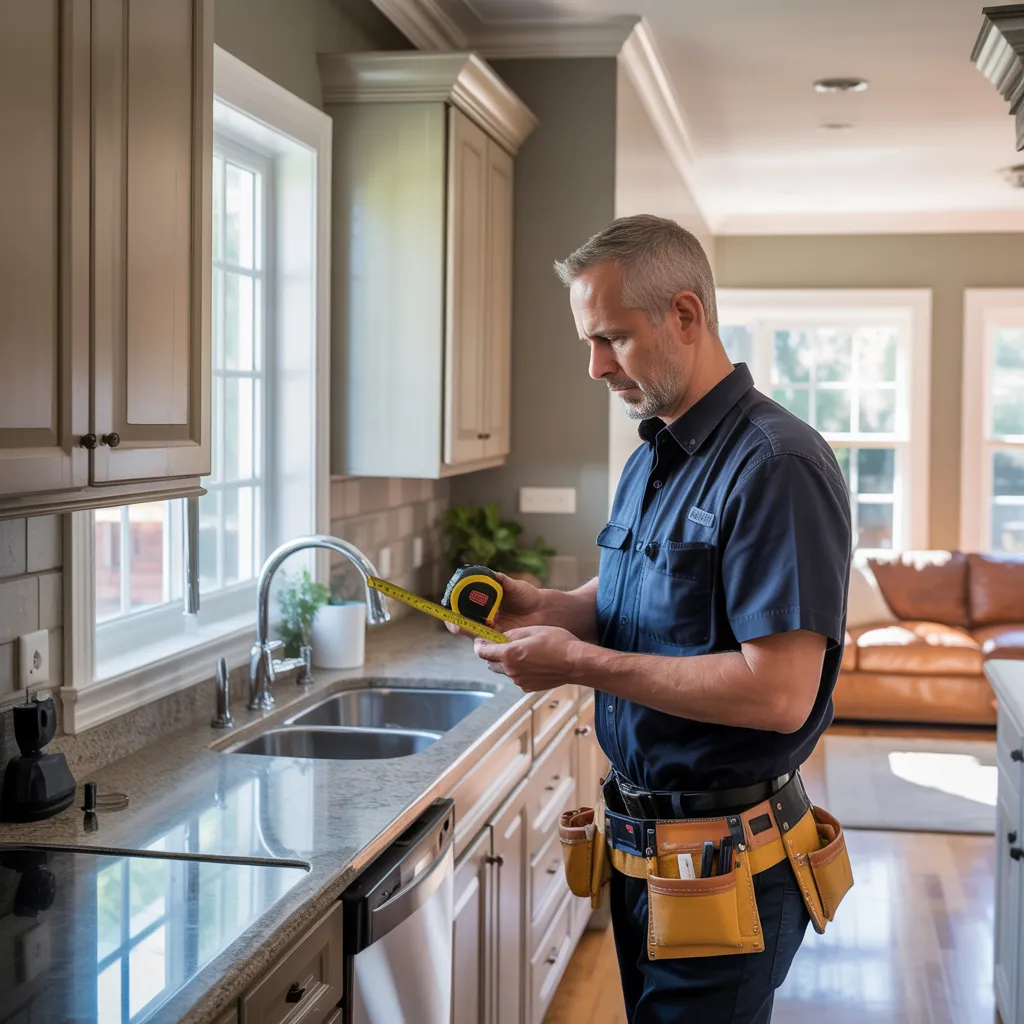
Finding the most suitable general contractor for your residential work is a essential decision. It involves detailed consideration of numerous factors, such as work background, qualifications, and listening and responding abilities. Countless homeowners fail to address significant details, leading to major financial setbacks. Grasping how to analyze prospective contractors can yield significant results. By prioritizing core criteria and asking pertinent questions, you can navigate this demanding process more effectively. What are the key procedures to verify a successful partnership?
How to Avoid Common Mistakes When Selecting a Builder
When hiring a contractor, how can one handle the vast number of alternatives without triggering common traps? Prospective clients frequently neglect vital elements that can cause disappointing experiences. First, relying solely on price can be unreliable; the view this guide cheapest offer may indicate subpar quality or additional charges. Additionally, failing to verify recommendations or digital feedback can lead to employing an untrustworthy contractor. It is also essential to avoid selecting only by personality; a personable contractor may not demonstrate competence or trustworthiness. Moreover, neglecting transparent dialogue and standards can bring about misinterpretations and dissatisfaction. Finally, neglecting to carefully read agreements before signing can bring about unanticipated duties or weak protections. By being alert and aware, homeowners can make wiser selections, in the end creating a triumphant project.
Qualities to Look At Regarding a Contractor's Experience
When evaluating a contractor background, several key factors come into play. Project experience in related fields, professional certifications, and an comprehensive collection of completed work act as key measures of their abilities. Assessing these aspects can offer useful information into the contractor suitability for the particular job at hand.
Pertinent Project History
Grasping a contractor's relevant background is vital for achieving the success of any building venture. Future clients should review the contractor's collection, emphasizing on completed projects equivalent in size and character to theirs. This entails examining the quality of workmanship, adherence to deadlines, and budget management in previous assignments. Additionally, it is useful to inquire about the varieties of products used and the contractor's understanding with local codes and requirements. Feedback and recommendations from previous clients can provide insights into the contractor's trustworthiness and soft skills. Ultimately, a contractor with substantial relevant experience can manage challenges productively, guaranteeing the project meets the homeowner's wishes and standards.
Industry Credentials And Permits
Certification and licensing serve as essential indicators of a contractor's professional competence and skill in the construction industry. When choosing a general contractor, it is vital to verify that they possess the required permits mandated by local and state regulations. These licenses demonstrate compliance with building codes and safety standards. Additionally, industry certifications, such as those from the National Association of Home Builders or similar organizations, reflect a contractor's commitment to quality and ongoing education. Contractors with specialized certifications may also have skills in specific areas, such as green building or remodeling. Ensuring that a contractor has the appropriate credentials not only improves confidence in their capabilities but also minimizes potential legal and financial risks during the project.
Portfolio Of Completed Work
A tradesperson's portfolio showcasing accomplished work stands as a vital tool for evaluating their experience and abilities. This collection needs to exhibit a variety of projects that illustrate flexibility in different styles and levels of difficulty. When analyzing a portfolio, potential clients should seek high-quality images that distinctly illustrate the quality involved. It is also beneficial to notice projects that fit the homeowner's exact needs or aesthetic preferences. Attention to detail, creative solutions, and sticking to timelines are important signs of a contractor’s expertise. Additionally, client reviews or case studies featured in the portfolio can offer greater understanding of the contractor's work ethic and dependability. Ultimately, a strong portfolio can assist homeowners in making informed choices about their future projects.
Steps to check Your Contractor Credentials and Permits
Verifying a general contractor's credentials and licenses is crucial before enlisting them to validate they fulfill industry standards. Begin by checking with state licensing agencies that the contractor maintains the necessary licenses applicable to your area and project type. Since each state enforces distinct regulations, knowing these can avoid future problems.
Moreover, inquire about insurance coverage, encompassing liability and workers' compensation, to assure protection against possible accidents or damages. Obtain references from earlier clients and check in to measure satisfaction and reliability.
Finally, review any credentials the contractor may have, as these often demonstrate advanced expertise and compliance with industry best practices. A thorough verification process not only ensures compliance but also establishes trust in the contractor's ability to complete the project successfully.
Why Clear Communication Matters in Your Independent Contractor Working Relationship
Dialogue that is effective serves an important role in the contractor-client relationship, shaping the project's success from the start. Clear conversation establishes expectations, timelines, and budgets, making certain both parties are aligned on the project's goals. When clients express their vision effectively, contractors can provide informed suggestions and solutions, enhancing the overall result.
Regular communications and accessible avenues of dialogue allow efficient resolution of issues as they occur, reducing foreseeable setbacks. Also, a partner who receives and responds to customer input fosters trust, which is essential for working together.
Moreover, strong dialogue assists in addressing alterations and surprise difficulties, maintaining the undertaking on course. It permits the construction professional to adjust approaches based on client suggestions, guaranteeing contentment during the entire project. In the end, focusing on dialogue not only solidifies the builder-customer relationship but also significantly contributes to the effective completion of the home renovation.
Important Questions to Discuss with Your Contractor during Early Meetings
At first meetings with a contractor, clients should give priority to understanding their proficiency and background. It's important to evaluate the project timeline and budget to guarantee alignment with the client's plans. These questions set up a foundation for a successful partnership and effective project management.
Experience and Credentials
Deciding on a lead contractor rests on knowing their professional history and aptitude. Homeowners should probe the contractor's experience duration and the types of projects they have executed. Important questions about legal permissions, certifications, and insurance are critical, as these guarantee adherence to local codes and provide protection during the project. In addition, reviewing past work through documents or references can deliver understanding into the contractor's craftsmanship and stability. It is also wise to ask about their familiarity with related works, as this can signal their capability to manage distinct difficulties. Ultimately, evaluating a contractor's background and skills inspires assurance and helps homeowners select the best option for their home work.
Project Roadmap and Resource Allocation
How can homeowners guarantee their project stays on track financially and temporally when meeting with a general contractor? To maintain alignment, they should ask significant questions during first consultations. Homeowners must ask regarding the estimated timeline for work completion of the project and any possible setbacks that could arise. Understanding the contractor's method to managing schedules is essential. Additionally, discussing finances upfront is vital; homeowners should obtain clear information on cost estimates, payment plans, and any built-in contingency funds for unforeseen expenses. Inquiring into previous projects can provide insight into the contractor's reliability in meeting deadlines and staying within budget. By establishing clear communication regarding timelines and finances, homeowners can cultivate a collaborative partnership with their contractor, improving the probability of a successful project.
Methods for Checking References and Reviewing Feedback
What tactics should one take to guarantee a general contractor is reliable? First, it is fundamental to seek a list of references from potential contractors. A distinguished contractor will happily provide names and contact information of previous clients. One should connect with these references to inquire about their experiences, zeroing in on aspects such as messaging, quality of work, and adherence to timelines.
Additionally, checking online feedback on sites like Google, Yelp, or Angie's List can provide useful information. It is crucial to look for patterns in the reviews—consistent praise or criticism can indicate dependability or possible problems.
Furthermore, examining for any grievances filed with local licensing boards or consumer advocacy organizations can reveal a contractor's history. Finally, requesting recent project photos can assist in evaluating the quality of their work. By following this approach, one can reach a more informed decision when selecting a construction professional.
Grasping Contractor Cost Structure and Settlement Terms
Homeowners should also learn about common payment terms. Most contractors require a deposit upfront, preceded by installment-based payments based on construction phases. It's important to go over these terms before signing a contract to dodge disagreements. Additionally, homeowners should question about extra charges, such as permits or unexpected repairs. Open exchange surrounding pricing and payment terms will strengthen a forthright working relationship, ultimately bringing about a successful project outcome. Grasping these elements enables homeowners the power to choose effectively when selecting a general contractor.
Frequently Questioned Frequently Asked Questions
What represents the timeline for finishing this project?
The timeline of the project often fluctuates according to how complex and extensive the project is. In general, completion might take several weeks to months. Weather conditions, availability of materials, and workforce resources can have a major effect on when the project finishes.
What Occurs if Unforeseen Challenges Emerge During Building?
If unexpected issues emerge during construction, the builder typically assesses the circumstances, discusses with the homeowner, and suggests solutions. Modifications to the timeline and budget may be necessary, ensuring openness throughout the process.
Does My Project Require Permits or Inspections?
Most assignments call for permits and inspections to ensure compliance with local building codes. It is important to consult with a general contractor who understands these requirements, as they can traverse the permitting process effectively.
How Do You Handle Subcontractors and Their Payment Processing?
A credible general contractor oversees sub-contractors by establishing clear contracts outlining compensation schedules. They guarantee prompt payment, maintain transparent dialogue, and track subcontractor performance, fostering a cooperative setting that aids in successful project completion and efficiency.
How Do You Handle Project Changes or Upgrades?
The contractor executes a accommodating strategy regarding project changes, requiring official documentation for any upgrades. They guarantee clear communication, review monetary ramifications, and adjust timelines in response to accommodate the client's evolving needs and preferences.